
For decades, the golden rule of manufacturing was “Just-in-Time (JIT)” – keeping things as lean as possible. But recent global disruptions, erratic shipping costs, and unstable supply chains have changed the game. Today, the priority has shifted to resilience. It’s no longer just about being as cheap as possible; it’s about being able to adapt when everything goes wrong.
At Asmech Systems Ltd, based in the Midlands, we’ve seen this shift firsthand. Resilience isn’t just a corporate strategy – it’s a mechanical one. Your physical conveyor and handling systems dictate exactly how fast you can pivot when your supply chain hits a wall.
The Single-Supplier Trap
For years, production lines were built with a “fixed” mindset: a system perfectly tuned for one specific product, in one exact bottle or box, from one specific supplier. It’s incredibly fast, but it’s also fragile.
If that single supplier lets you down, you have to find an alternative fast. But what happens if the backup supplier’s packaging is slightly different? Maybe the bottles are a millimeter taller, the cardboard is a bit flimsy, or the pallets are a different size. In a rigid system, that tiny variation can turn a supply chain solution into a production floor nightmare, causing constant jams and expensive downtime.
Modularity: The Engine of Flexibility
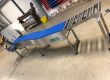
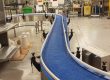
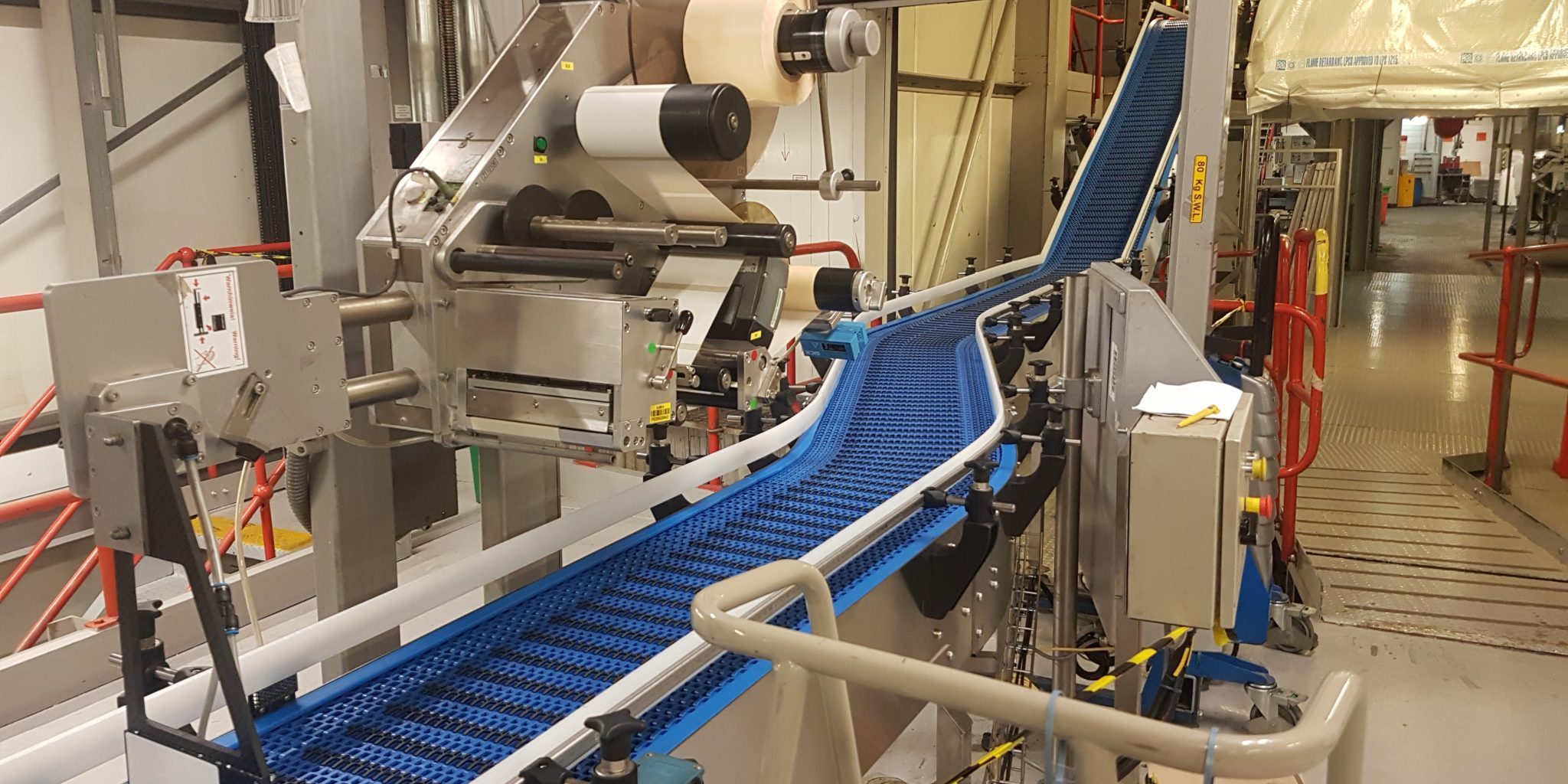
This is where modular handling systems change the game. Instead of one massive, unchangeable conveyor, a modular setup acts like building blocks. It lets you diversify your suppliers without the fear of shutting down the factory.
- Plug-and-Play Agility
Modular systems are designed to be easily reconfigured. If a new supplier’s packaging requires a different sorting route or an extra detour, sections of the conveyor can be added, removed, or moved around quickly. Your physical setup suddenly supports your buying strategy rather than blocking it.
- Managing the Quirks of Different Suppliers
When you buy from multiple places, you introduce variability. Different manufacturers have different quirks. Modern modular lines use adjustable guide rails and smart sensors that can spot and adapt to these tiny physical variations in real-time. The line keeps moving smoothly, whether the components came from a local partner down the road or a supplier across the globe.
- Scaling on Demand
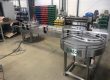
Sometimes resilience means grabbing a sudden surplus of stock when it becomes available. Modular conveyors allow you to quickly add “buffering” zones – like accumulation tables or extra loops – to hold the extra volume temporarily, preventing your main line from getting overwhelmed.
Future-Proofing the Factory Floor
Operating out of the Midlands, Asmech Systems Ltd sits right at the crossroads of the UK’s manufacturing network. We know that future-proofing is simply about protecting your bottom line.
Investing in a handling system shouldn’t be a gamble that the world will stay exactly the same. It should be a tool that helps you thrive when the world changes. By choosing modularity over rigidity, you’re essentially buying insurance against supply chain chaos.
The companies that win over the next decade won’t necessarily be the ones with the absolute fastest lines – they’ll be the ones with the most flexible ones. Is your conveyor system a bridge to your future, or a barrier? The time to build in that flexibility is before the next disruption hits.
Contact us today to talk about our modular conveyors and complete range on 01623 424 442 or at sales@asmechsystems.co.uk